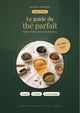

Tea Ceremonies Around the World: A Complete Guide
Introduction: Tea, A Universal Cultural Heritage
Tea is much more than a simple beverage: it is a vector of culture, spirituality, and social connection. Across the globe, different civilizations have developed their own tea ceremonies, each reflecting the values and traditions of their people.
From the Zen-inspired Japanese Chanoyu to the lively conviviality of Moroccan mint tea, and the elegance of the British Afternoon Tea, each ceremony tells a unique story. These ancient rituals continue to fascinate and inspire tea lovers worldwide.
Discover the main tea ceremonies around the world, their origins, their rituals, and the accessories that accompany them. A cultural journey through cups! 🌍🍵

30% off automatically by clicking below
Semi-automatic teapot • Gongfu Ceremony 🐉
📖 Summary
- 1. 🇯🇵 Japan: Chanoyu (Tea Ceremony)
- 2. 🇨🇳 China: Gongfu Cha (Tea Art)
- 3. 🇲🇦 Morocco: Mint Tea
- 4. 🇬🇧 England: Afternoon Tea
- 5. 🇷🇺 Russia: Samovar Tea
- 6. 🇮🇳 India: Masala Chai
- 7. 🇹🇼 Taiwan: Oolong Tea Ceremony
- 8. 🏔️ Tibet: Yak Butter Tea
- 9. Comparative Table of Ceremonies
- 10. Frequently Asked Questions
- Conclusion
Tea Ceremonies: A World Tour
JAPAN
Chanoyu • Zen & Harmony
CHINA
Gongfu Cha • Art & Mastery
MOROCCO
Mint Tea • Hospitality
ENGLAND
Afternoon Tea • Elegance
RUSSIA
Samovar • Conviviality
INDIA
Chai Masala • Spices
TAIWAN
Oolong • Refinement
TIBET
Po Cha • Energy
1. 🇯🇵 Japan: Chanoyu (Tea Ceremony)
茶の湯 Chanoyu: "Hot Water for Tea"
The Japanese tea ceremony is much more than a simple beverage preparation: it is a spiritual practice rooted in Zen Buddhism. Codified in the 16th century by master Sen no Rikyū, it embodies the principles of Wa (和) Harmony, Kei (敬) Respect, Sei (清) Purity, and Jaku (寂) Serenity.
🎎 The Elements of the Ceremony
- Chashitsu: Tea house, a purified and minimalist space
- Tatami: Floor made of woven rice straw
- Tokonoma: Alcove with calligraphy and floral arrangement
- Chawan: Ceramic Matcha bowl
- Chasen: Bamboo whisk with 80-120 bristles
- Chashaku: Bamboo spoon for measuring Matcha
- Fukusa: Silk cloth for purifying utensils
✅ Traditional Procedure
- Preparation: The host cleans and purifies each utensil with precise gestures
- Hot water: Drawn from the cast iron kettle (Kama)
- Matcha: Powder poured into the Chawan, water added
- Whisking: "W" motion to create foam
- Serving: The bowl is presented to the guest, with the decorated side facing them
- Tasting: The guest turns the bowl before drinking
💡 Did You Know?
A complete ceremony can last 4 hours and includes a meal (Kaiseki), a thick tea (Koicha) shared among guests, then a light individual tea (Usucha). The gestures are so codified that it takes years of practice to master them.
To discover traditional accessories, consult our guide on the Japanese teapot.
2. 🇨🇳 China: Gongfu Cha (Tea Art)
工夫茶 Gongfu Cha: "Tea Made with Care"
Originating from Fujian province, Gongfu Cha is the Chinese art of preparing tea with skill and attention. Unlike the Zen-focused Japanese Chanoyu, Gongfu Cha focuses on the optimal extraction of aromas through multiple, short infusions.
🐉 Gongfu Cha Accessories
- Yixing Teapot: Small purple clay teapot (100-200ml)
- Gaiwan: Lidded bowl for infusing and smelling the tea
- Cha Hai: Sharing pitcher to homogenize the infusion
- Small cups: Smelling cups (闻香杯) and drinking cups (品茗杯)
- Cha Pan: Tea tray with water drainage
- Cha Ze: Scoop for presenting the leaves
- Tongs: For handling hot cups
✅ Principles of Gongfu Cha
- High ratio: Lots of leaves, little water
- Short infusions: 10-30 seconds per infusion
- Multiple infusions: 5 to 15 successive infusions
- Quality water: Pure, without chlorine or excessive minerals
- Precise temperature: Adapted to the type of tea
💡 Leaf "Rinsing"
In Gongfu Cha, the first infusion is often discarded. This "leaf washing" awakens the tea and removes dust. The water from this rinse is also used to warm the cups. True tasting begins with the second infusion.
Discover the world of traditional teapots in our guide to the Chinese teapot.

Automatic -30% by clicking below
Enamelled interior • Cherry blossom pattern 🌸
3. 🇲🇦 Morocco: Mint Tea
أتاي Atay: Moroccan Hospitality
In Morocco, offering tea is a sacred act of hospitality. Refusing a cup is considered impolite. This daily ritual brings family and friends together and marks every important occasion. Tea is traditionally served three times, with each cup having its own meaning.
🌿 Traditional Preparation
- Rinse the tea: Gunpowder green tea rinsed with boiling water (discard this water)
- First infusion: Boiling water over the tea, infuse 1-2 minutes
- Add mint: Large bunch of fresh mint (Nana)
- Sweeten generously: Sugar loaf or sugar cubes
- Mix: Pour into a glass, pour back into the teapot (several times)
- High pour: Pour from a height to create foam
☕ The Three Traditional Glasses
A Moroccan proverb says:
- 1st glass: "Sweet as life"
- 2nd glass: "Strong as love"
- 3rd glass: "Bitter as death"
In reality, the three glasses often taste the same, but this proverb illustrates the importance of the ritual.
💡 The Art of Pouring
Tea is poured from a great height (sometimes 50cm!) into small decorated glasses. This spectacular gesture is not just for show: it aërates the tea, cools it slightly, and creates an appreciated foam. The best "pourers" never spill a drop!
4. 🇬🇧 England: Afternoon Tea
Afternoon Tea: British Elegance
Invented around 1840 by Anna Russell, Duchess of Bedford, Afternoon Tea filled the "gap" between lunch and a late dinner. What was an aristocratic whim became a British cultural institution, a symbol of elegance and refinement.
🫖 Components of Afternoon Tea
- The tea: Generally a blend like Earl Grey, English Breakfast, or Darjeeling
- Scones: Small round breads served with clotted cream and jam
- Sandwiches: Crustless triangles (cucumber, salmon, egg)
- Pastries: Cakes, tarts, macarons
- Three-tier service: Presented on a tiered stand
✅ Afternoon Tea Etiquette
- Pour the tea before the milk (an eternal debate!)
- Hold the cup by the handle, pinky finger not raised
- Stir gently back and forth, not in a circle
- Eat sandwiches first, then sweets
- Scones are cut in half, spread each half
💡 Afternoon Tea vs High Tea
Beware of confusion! Afternoon Tea (around 4 pm) is light and elegant. High Tea (around 6 pm) is actually a heartier meal for the working class, with meats and hot dishes. The term "high" comes from the high kitchen table, not the social standing!
For an elegant tea service, discover our guide on the porcelain teapot.
5. 🇷🇺 Russia: Samovar Tea
Чай Chai: The Samovar Tradition
Tea arrived in Russia in the 17th century via the Silk Road. The samovar, this traditional kettle, became the heart of the Russian home. Tea is prepared very concentrated in it and then diluted, allowing everyone to adjust the strength of their cup.
🫖 The Samovar System
- The samovar: Large metal urn that keeps water hot
- The zavarnik: Small teapot placed on the samovar with concentrated tea
- The principle: Pour a little concentrate, then top up with water from the samovar
- Advantage: Everyone doses their tea according to their taste
✅ Russian Tea Traditions
- Tea is often drunk with sugar held between the teeth
- Traditional accompaniments: jam, honey, lemon
- The podstakannik: metal holder for the tea glass
- Tradition of drinking tea from a glass, not a cup
💡 Russian Tea
Russian black tea is often smokier and bolder than Western teas. The iconic brand Russian Caravan combines Chinese teas with a slight smoky note, reminiscent of the caravan journey that brought tea to Russia.
6. 🇮🇳 India: Chai Masala
चाय Chai: Spiced Tea
Although India is one of the largest tea producers in the world, its tea culture is relatively recent (19th century, introduced by the British). Indians have created their own tradition: Chai Masala, a black tea boiled with milk and spices.
🌶️ The Traditional Recipe
- Spices: Sauté cardamom, cinnamon, ginger, cloves, pepper
- Water + tea: Add water and Assam black tea, bring to a boil
- Milk: Add milk (often as much as water)
- Sugar: Sweeten generously
- Boil: Let boil until reduced
- Filter: Serve in small glasses or cups
☕ The Chai Wallahs
Throughout India, Chai Wallahs (tea vendors) prepare Chai on the street. The spectacle of the preparation is part of the experience: the tea is poured from a height between two vessels to cool and mix it.
💡 Regional Variations
Each region has its version: Kashmiri Chai (pink, with almonds), North Masala Chai (very spicy), South Sulaimani Chai (without milk, with lemon). In Mumbai, it is drunk from small disposable terracotta cups called kullad.

Automatic -30% by clicking below
Fine ceramic • Travel-friendly size ✈️
7. 🇹🇼 Taiwan: Oolong Tea Ceremony
台灣茶藝 Taiwan Chayi: The Art of Taiwanese Tea
Taiwan has developed its own tea culture, distinct from mainland China. Specializing in high-mountain Oolong teas, the island has created a more accessible ceremony than the traditional Gongfu Cha, while retaining its elegance.
🏔️ Famous Taiwanese Teas
- Dong Ding: Roasted Oolong from Frozen Summit mountain
- Alishan: High-mountain Oolong, floral notes
- Oriental Beauty: Unique Oolong bitten by insects
- Jin Xuan: "Milk Oolong" with natural creamy notes
💡 Taiwanese Tea Houses
Taiwan has thousands of tea houses (茶藝館) where you can spend hours tasting different teas. The atmosphere is more relaxed than in Japan, but just as respectful of tea. You learn to appreciate the evolution of aromas over multiple infusions.
8. 🏔️ Tibet: Yak Butter Tea
པོ་ཆ Po Cha: The Energetic Tea
In the high altitudes of Tibet, tea is not just a drink: it is a vital source of energy. Po Cha, a mixture of tea, yak butter, and salt, provides the essential calories and nutrients to survive in this extreme climate.
🐃 Po Cha Preparation
- Brick tea: Compressed black tea boiled for a long time (sometimes hours)
- Yak butter: Added generously (source of fat)
- Salt: To compensate for mineral loss at altitude
- Churning: Mixed in a long wooden cylinder (Chandong)
- Result: Thick, salty, and nourishing drink
💡 An Acquired Taste
Po Cha surprises Western palates: salty, fatty, and smoky, it resembles a broth more than a tea. But for Tibetans, it is indispensable: they drink up to 40 cups a day! It also protects the lips from cold and dryness.
9. Comparative Table of Ceremonies
| Country | Ceremony | Main Tea | Key Accessory | Duration |
|---|---|---|---|---|
| 🇯🇵 Japan | Chanoyu | Matcha | Chawan + Chasen | 1-4 hours |
| 🇨🇳 China | Gongfu Cha | Oolong, Pu-erh | Yixing Teapot | 30-60 min |
| 🇲🇦 Morocco | Atay | Gunpowder + mint | Metal Teapot | 15-30 min |
| 🇬🇧 England | Afternoon Tea | Earl Grey, Darjeeling | Porcelain Service | 1-2 hours |
| 🇷🇺 Russia | Samovar Chai | Strong Black Tea | Samovar | Variable |
| 🇮🇳 India | Chai Masala | Assam + spices | Saucepan | 10-15 min |
| 🇹🇼 Taiwan | Chayi | High Mountain Oolong | Gaiwan | 30-60 min |
| 🏔️ Tibet | Po Cha | Brick tea + butter | Chandong (churn) | Variable |
🌍 Common Threads Among All Ceremonies
- ✅ Tea is a vector of social connection
- ✅ Water quality is paramount
- ✅ The time dedicated to preparation matters as much as the result
- ✅ Accessories are chosen with care and respect
- ✅ Hospitality towards guests is central
10. Frequently Asked Questions
❓ Which is the oldest tea ceremony?
China is the birthplace of tea and its rituals, with practices dating back over 2000 years. However, the most codified and formalized ceremony is the Japanese Chanoyu, structured in the 16th century by Sen no Rikyū. Chinese Gongfu Cha, though older in its principles, has remained more flexible in its practice.
❓ Can I practice these ceremonies at home?
Absolutely! Some are more accessible than others. Gongfu Cha and mint tea are easy to reproduce with the right equipment. Chanoyu requires years of learning to master correctly, but you can draw inspiration from its principles of serenity and respect.
❓ What equipment do I need to start with tea ceremonies?
For Gongfu Cha: a gaiwan or a small teapot, cups, a pitcher. For Japanese tea: a Chawan and Chasen for Matcha, or a Kyusu for Sencha. For Afternoon Tea: a beautiful porcelain teapot and tea set. The essential is to choose your teapot according to the tradition that attracts you.
❓ Is the water temperature the same for all ceremonies?
No, it varies greatly! Japanese Matcha: 70-80°C. Gongfu Cha for Oolong: 90-95°C. Moroccan mint tea: boiling water. English black tea: 95-100°C. Consult our guide on infusion temperature for each type of tea.
❓ Why are tea ceremonies so culturally important?
Tea transcends a mere beverage. It is a moment of pause in daily life, a ritual that brings people together, an art that is passed down. In each culture, the tea ceremony reflects deep values: harmony in Japan, mastery in China, hospitality in Morocco, elegance in England. Taking the time to prepare and enjoy tea is to cultivate mindfulness.
Conclusion: A Journey Through Tea Cultures
The world's tea ceremonies remind us that this simple leaf has the power to forge connections, mark moments, and transmit millennial traditions.
📝 Key Takeaways
- 🇯🇵 Japan: Spirituality and harmony with Chanoyu
- 🇨🇳 China: Technical mastery with Gongfu Cha
- 🇲🇦 Morocco: Generous hospitality with mint tea
- 🇬🇧 England: Refined elegance with Afternoon Tea
- 🇷🇺 Russia: Conviviality at the Samovar
- 🇮🇳 India: Spicy warmth of Chai Masala
- 🇹🇼 Taiwan: Refinement of Oolongs
- 🏔️ Tibet: Vital energy of Po Cha
Whatever tradition inspires you, the essential is to take the time to savor each cup. Tea invites us to slow down, appreciate the present moment, and share with those around us.
Explore our teapot collection to find the accessories that will accompany your own tea rituals!
The world of tea awaits you. Which ceremony will you explore first? 🌍🍵✨
🌍 Explore Tea Traditions
Japanese teapots, Chinese sets, English porcelain... Find the accessories for your ceremony.
30% off with code BLOG30 • Free shipping