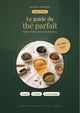

How to Choose Your Tea Box: The Complete Buying Guide
Introduction: Finding THE Perfect Box
With the diversity of tea boxes available, it can be hard to know where to start! Metal, wood, ceramic, washi... Compartmented or simple? For loose leaf or tea bags? The choice can quickly become a headache.
This guide will walk you step-by-step through choosing the ideal tea box according to your actual needs: type of tea, quantity, use, budget, and style. No more regretting purchases!
Follow our 5-step method to find your perfect storage companion. 🛒🍵

-30% automatic by clicking below
268 ml • Airtight • Versatile 🎯
📖 Table of Contents
1. The 5 Questions to Ask Yourself
Before any purchase, answer these essential questions:
🎯 The 5-Question Method
These 5 questions determine 90% of your choice. Take the time to answer them honestly before looking at products. This will help you avoid impulsive purchases that end up in the back of a cupboard!
🤔 Question 1: Loose Leaf or Tea Bags?
📏 Question 2: What Quantity?
🏠 Question 3: Where will it be stored?
🍃 Question 4: What Type of Tea?
💰 Question 5: What's Your Budget?
2. Which Material to Choose?
Each material has its strengths and weaknesses:
Wood
The warmest. Decorative, natural. Less airtight.
Ceramic
The most elegant. Neutral, artisanal. Fragile but beautiful.
Washi
The most traditional. Double lid, Japanese style. Premium.
| Material | Airtightness | Opacity | Aesthetics | Price | Ideal for |
|---|---|---|---|---|---|
| Metal | ★★★★★ | ★★★★★ | ★★★☆☆ | €-€€ | Loose leaf, sensitive teas |
| Wood | ★★★☆☆ | ★★★★★ | ★★★★★ | €€ | Tea bags, decor |
| Ceramic | ★★★★☆ | ★★★★★ | ★★★★★ | €€-€€€ | Loose leaf, collection |
| Washi | ★★★★★ | ★★★★★ | ★★★★★ | €€€ | Japanese teas, prestige |
| Glass | ★★★★☆ | ★☆☆☆☆ | ★★★★☆ | €€ | Cupboard only |
🥫 Metal: The Safe Choice
Metal offers the best protection across all criteria:
- Pros: 100% airtight (with good lid), opaque, lightweight, unbreakable
- Cons: Can feel cold, sometimes industrial style
- Tip: Prioritize double-lid chazutsu-style containers
- For: Loose-leaf tea lovers, pragmatists
🪵 Wood: The Decorative Choice
Wood brings warmth and a natural feel:
- Pros: Aesthetic, eco-friendly, fits anywhere
- Cons: Less airtight, can absorb odors
- Tip: Bamboo = best value for money
- For: Tea bag users, natural decor enthusiasts
🏺 Ceramic: The Artisanal Choice
Ceramic offers elegance and tradition:
- Pros: Very beautiful, neutral (doesn't alter aromas), artisanal
- Cons: Fragile, more expensive, heavy
- Tip: Check the lid seal
- For: Aesthetes, collectors, gifts
🎌 Washi: The Premium Choice
Japanese washi represents excellence in preservation:
- Pros: Perfect double lid, sublime aesthetics, tradition
- Cons: High price, less common
- Tip: Ideal for precious Japanese teas
- For: Enthusiasts, Japanese tea lovers
💡 Our Overall Recommendation
If you're unsure, go for metal with a double lid: it's the most versatile and safest choice. You can't go wrong. For aesthetics, add a beautiful wooden box for visible storage.

-30% automatic discount by clicking below
Handcrafted • Clean design • Airtight 🪵
3. What Format and Size?
The size should match your consumption:
📏 The Golden Rule: Not Too Big!
A box that's too big = too much air inside = accelerated oxidation. Choose a box that you can fill at least 2/3 of the way. It's better to have several small boxes than one large one that's half empty.
| Capacity | Tea Quantity | Ideal for | Typical Consumption |
|---|---|---|---|
| 50-100 ml | 30-50g | Precious teas, travel | Occasional tasting |
| 100-200 ml | 50-100g | Everyday use, one tea type | 1-2 cups/day |
| 200-350 ml | 100-150g | Large size, family | 3+ cups/day |
| 350 ml+ | 150g+ | Stock, professional | Heavy consumer |
🗃️ Single vs. Compartmented Box
- Single box: One tea type, optimal airtightness. For quality loose-leaf tea.
- Compartmented box: Several tea types, easy organization. Ideal for tea bags.
Tip: For loose-leaf, prefer several single boxes. For tea bags, a compartmented one is perfect.
📦 Number of Compartments
- 4 compartments: Minimalist, beginner
- 6 compartments: Standard, good balance ★ Recommended
- 9 compartments: Varied enthusiast, family
- 12 compartments: Passionate, professional
⚠️ Pay Attention to Tea Density
100g of Japanese green tea takes up much more space than 100g of broken black tea! Estimate the actual volume of your tea before choosing. If in doubt, opt for a slightly smaller size.
4. Airtightness: The Key Criterion
Airtightness is the number one criterion for tea preservation:
🔒 Why It's Crucial
Tea fears 4 enemies: air, light, humidity, odors. An airtight box blocks them all. Without airtightness, your tea loses its aromas within weeks.
✅ Closure Systems (from best to least good)
- Double lid (chazutsu): ★★★★★ Absolutely the best
- Silicone seal: ★★★★★ Excellent
- Screw lid: ★★★★☆ Very good
- Metal clip: ★★★★☆ Good
- Snug friction lid: ★★★☆☆ Adequate
- Loose lid: ★★☆☆☆ Insufficient for loose-leaf tea
🧪 How to Test Airtightness
- Close the empty box
- Turn it upside down: the lid should not fall off
- Shake gently: no movement of the lid
- Upon opening: a slight "pop" or resistance = good sign
- Tissue test: pinch a tissue in the lid, it should not slip out
💡 Airtightness According to Tea Type
Essential: Green tea, white tea, flavored teas, loose-leaf tea. Recommended: Black tea, oolong. Less critical: Pu-erh (can breathe), individually wrapped tea bags.
5. Recommendations by Profile
Find the ideal box for your situation:
🌱 Beginner / Occasional
- Profile: 1-2 teas, light consumption
- Recommendation: Simple metal box 100-150ml
- Alternative: Wooden compartmented box 4-6 sections if using tea bags
- Budget: 10-25€
- Avoid: Large boxes, unnecessary collections
☕ Regular Enthusiast
- Profile: 3-5 teas, daily consumption
- Recommendation: Set of 3-4 metal/ceramic boxes + 1 compartmented
- System: Individual boxes for favorite loose-leaf, compartmented for tea bags/varieties
- Budget: 40-80€ (gradual investment)
🏆 Passionate / Collector
- Profile: 10+ teas, grand crus, varied collection
- Recommendation: Washi chazutsu + ceramic boxes by type
- System: One box per precious tea, 12-compartment box for rotation
- Budget: 100-300€+ (quality pieces)
🎁 Gift
- Profile: Gifting a filled or empty box
- Recommendation: Complete tea set or beautiful wooden/ceramic box
- Tip: Prioritize aesthetics AND quality
- Budget: 30-80€ depending on occasion
🏢 Office / Professional
- Profile: Collective use, easy access
- Recommendation: Acrylic display or 12-compartment box
- Priority: Durability, capacity, easy replenishment
- Budget: 25-60€
🎌 Japanese Tea Lover
- Profile: Sencha, Gyokuro, Matcha...
- Recommendation: Washi chazutsu or double-lid metal box
- Absolute priority: Maximum airtightness (very sensitive teas)
- Budget: 35-100€ (don't skimp)
6. Mistakes to Avoid
Classic pitfalls when buying:
❌ Mistake #1: Buying Too Big
A half-empty box = lots of air = rapid oxidation. Buy the size that matches your actual quantity, not your future collection ambitions.
❌ Mistake #2: Neglecting Airtightness for Style
A beautiful box that doesn't seal well is useless for loose-leaf tea. ALWAYS check the closure before falling for the design.
❌ Mistake #3: Choosing Glass for Visible Loose-Leaf Tea
Glass is transparent = light destroys aromas. If you want to display your tea, store the glass box in a closed cabinet.
❌ Mistake #4: Mixing Flavored and Natural Teas
Earl Grey in the same compartmented box as natural green tea? Disaster! Aromas migrate. Always separate highly flavored teas.
❌ Mistake #5: Keeping the Original Bag
The kraft or plastic bag from the store is NOT airtight once opened. Transfer your tea to a proper box as soon as you buy it.
❌ Mistake #6: Buying Low-Quality Plastic
Cheap plastic can emit odors and contaminate tea. If on a tight budget, prefer simple metal to dubious plastic.

-30% automatic discount by clicking below
Asian style • Decorative • Elegant ✨
7. Pre-Purchase Checklist
Check these points before confirming your purchase:
✅ Complete Checklist
- Airtightness: Does the lid close well? Turnover test OK?
- Opacity: Does the box block light? (Unless in a cupboard)
- Size: Does it match my quantity of tea?
- Odor: No smell of glue, varnish, or plastic?
- Material: Suitable for my tea type (loose-leaf/bags)?
- Aesthetics: Do I like it? Does it fit in my home?
- Budget: Within my means without sacrificing quality?
- Practicality: Easy to open/close daily?
- Durability: Solid material? Robust hinges?
- Maintenance: Easy to clean?
💡 The Ultimate Test
Ask yourself this question: "Will this box make me want to take care of my tea?" A beautiful box that you love to look at and use is a box you will actually use. Don't underestimate the pleasure of use!
8. Frequently Asked Questions
❓ Can a single box be suitable for all my teas?
Not ideally. For loose-leaf, each tea deserves its own box (aroma contamination). For individually wrapped tea bags, a compartmented box may be suitable, but separate highly flavored ones.
❓ Do I need to invest a lot for a good box?
Not necessarily. A metal box for 15-20€ with a double lid will protect your tea very well. Investment in high-end (washi, artisanal ceramic) is more about aesthetics than function. The key criterion is airtightness, not price.
❓ Can I reuse a box from another product?
With caution. Make sure it is perfectly clean and odorless. Coffee tins should be avoided (persistent smell). Metal biscuit tins can be suitable if well cleaned and airtight.
❓ How do I know if my current box is suitable?
Do the test: smell your tea. If it has lost its fragrance or smells "of the cupboard," the box is not airtight enough. Also check the color: a green tea that has turned yellow-brown has suffered from light or oxidation.
❓ New box: does it need preparation before use?
Sometimes yes. A new wooden box might have a slight odor. Leave it open for 2-3 days. For metal or ceramic, a simple rinse and dry are sufficient. Washi boxes are ready to use.
Conclusion: The Right Choice for Every Situation
Choosing your tea box is not complicated once you know your needs. Remember the essentials: airtightness first, appropriate size, and material according to your use.
📝 Express Summary
- 🍃 Loose-leaf tea: Double-lid metal or ceramic with a seal
- 📦 Tea bags: Compartmented wood or metal
- 🎌 Japanese tea: Washi (chazutsu) or airtight metal
- 🎁 Gift: Ceramic or wood + beautiful teas
- 💰 Tight budget: Simple metal with a good lid (15-25€)
- 🏆 Investment: Washi or artisanal ceramic (50-100€)
Explore our detailed guides by material: Metal, Wood, Washi. For format, consult Loose-Leaf Box, Tea Bag Box or Compartmented.
The right box: the first step towards perfectly preserved tea. 🛒🍵✨
🛒 Discover Our Tea Caddies
Metal, wood, ceramic, washi... Find the perfect box for your tea.
30% off with code BLOG30 • Free shipping