

Hibiscus: The Complete Guide (Bissap, Karkadeh, Benefits)
Introduction: The Red Flower with a Thousand Virtues
Hibiscus, also known as bissap, karkadé, or flor de Jamaica, is an infusion with vibrant colors and a unique tart taste. This tropical flower, consumed for millennia, offers a refreshing drink that is as beautiful as it is beneficial for health.
From Senegal to Mexico, from Egypt to Thailand, discover this flower that has conquered the whole world. 🌺🍵

-30% automatically by clicking below
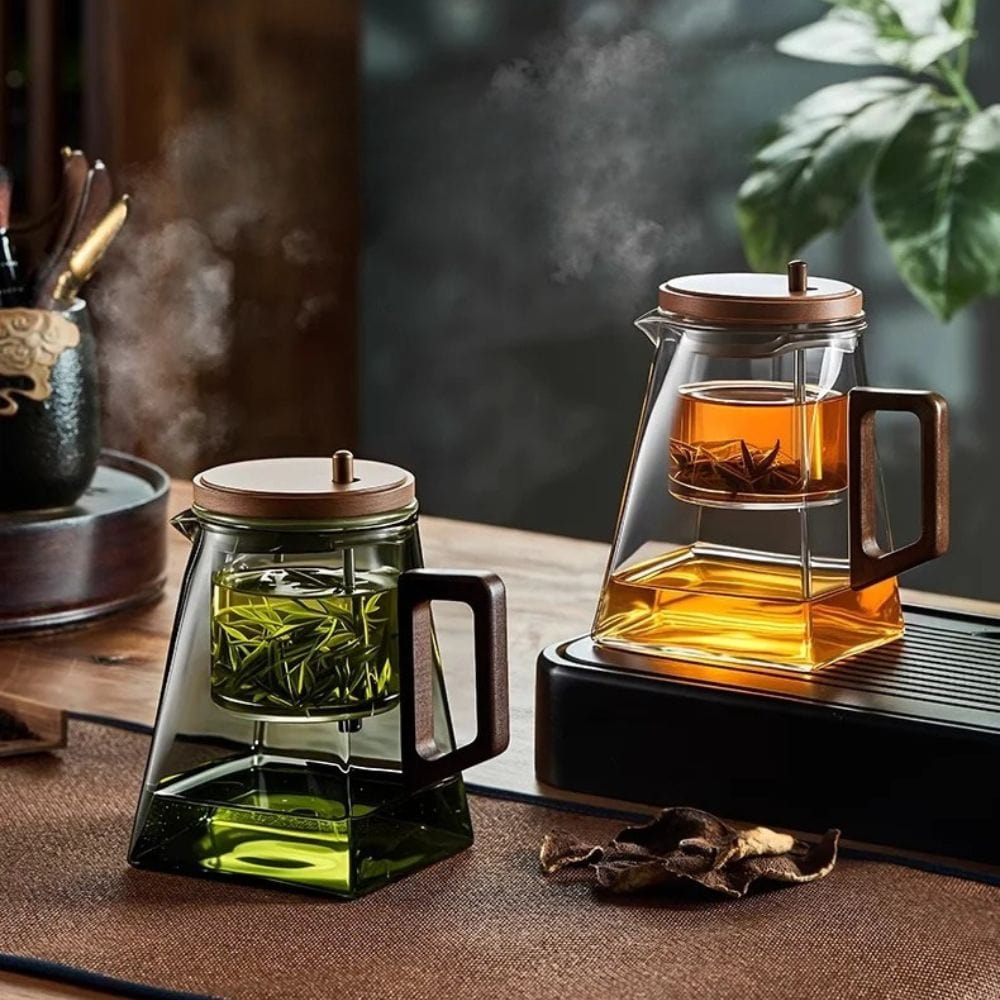
300ml • Removable filter • Perfect for infusions 🌺
📖 Summary
1. What is Hibiscus?
The hibiscus used for infusion is a tropical flower with remarkable properties.
🌺 Hibiscus sabdariffa
The hibiscus used for infusion is Hibiscus sabdariffa, also called "roselle". It is not the same species as the ornamental hibiscus found in our gardens. Native to West Africa, this plant produces deep red calyxes (the base of the flower), rich in organic acids and antioxidants. This is the part that is dried to prepare the infusion.
🎨 Vibrant Red Color
A spectacular ruby red infusion.
🍋 Tart Taste
Fruity flavor reminiscent of cranberry and lemon.
☕ Caffeine-Free
Can be drunk at any time, even in the evening.
❄️ Hot or Iced
Delicious in any season.
2. Its Many Names Around the World
Hibiscus is consumed on all continents, with each culture giving it its own name:
🌍 Africa
- Bissap (Senegal, Mali, Gambia) – The national drink of Senegal
- Karkadé (Egypt, Sudan) – Millennia-old pharaonic tradition
- Dah (Burkina Faso, Ivory Coast)
- Zobo (Nigeria) – Very popular
- Sobolo (Ghana)
🌎 Americas
- Agua de Jamaica (Mexico) – Essential in "aguas frescas"
- Flor de Jamaica (Latin America)
- Sorrel (Jamaica, Caribbean) – Traditional Christmas drink
🌏 Asia
- Gongura (India)
- Krajeab (Thailand)
- Roselle (Malaysia, Australia)
💡 A Universal Drink
From ancient Egypt to Mexican taquerias, hibiscus is one of the most consumed infusions in the world. Its refreshing taste and benefits make it a beloved drink in all climates.
3. Health Benefits
Hibiscus is one of the most studied infusions for its beneficial properties:
Blood Pressure
Positive clinical studies
Vitamin C
Rich in ascorbic acid
Antioxidants
Powerful anthocyanins
Digestion
Mild diuretic effect
Hydration
Sugar-free, caffeine-free
Skin
Protective antioxidants
❤️ Blood Pressure
This is the most documented benefit:
- Clinical studies: Several studies show a modest but significant reduction
- Mechanism: Anthocyanins are thought to have a vasodilating effect
- Studied dosage: 2-3 cups per day in studies
- Timeframe: Effects observed after 4-6 weeks of regular consumption
Important: Hibiscus can supplement but not replace medical treatment.
🛡️ Powerful Antioxidants
- Anthocyanins: Red pigments are powerful antioxidants
- Polyphenols: Comparable to those in green tea
- Vitamin C: Contributes to immune defenses
- Organic acids: Citric acid, malic acid, tartaric acid
💧 Diuretic and Detox Effect
- Mild diuretic: Helps eliminate excess water
- Digestion: Traditionally used after meals
- Hydration: Healthy alternative to sodas and sugary juices
See also our detox tea guide.
⚠️ Precautions
Drug interactions: Hibiscus can interact with certain medications for hypertension and diabetes. Consult your doctor if you are on medication. Pregnancy: Avoid excessive consumption (possible estrogenic effect). Acidity: May worsen gastric reflux in some people.

-30% automatic discount by clicking below
6 pieces • Teapot + cups • Convivial 🌍
4. How to Prepare It
Hibiscus is easy to prepare, hot or cold:
🔥 Classic Hot Infusion
- Dosage: 2-3 teaspoons of dried flowers per cup (250ml)
- Water: Boiling (100°C) – hibiscus tolerates heat well
- Infusion: 5-10 minutes depending on desired intensity
- Filter: Remove the flowers
- Sweeten: Optional – honey, sugar, or natural
Result: A ruby-red infusion with a tart and fruity taste.
❄️ Iced Hibiscus (Bissap / Agua de Jamaica)
- Dosage: 50g of flowers for 1 liter of water
- Hot method: Steep for 10-15 min in boiling water, filter, cool
- OR Cold brew: Let steep for 4-8 hours in the refrigerator
- Sweeten: To taste (traditional in Senegal: quite sweet)
- Serve: Very cold with ice cubes
See also our iced tea guide.
| Method | Dosage | Temperature | Time |
|---|---|---|---|
| Hot infusion | 2-3 tsp / 250ml | 100°C | 5-10 min |
| Strong infusion (for iced) | 50g / 1L | 100°C | 10-15 min |
| Cold brew | 30-40g / 1L | Cold water | 4-8h fridge |
💡 Preparation Tips
The longer, the redder: A short infusion (5 min) will be lighter, a long infusion (15 min) will be more intense and tart. Acidity: Naturally tart, hibiscus does not need lemon. Sugar: Traditionally quite sweet in Africa and Mexico, but also delicious plain.
5. Recipes and Variations
Hibiscus lends itself to many creative variations:
🇸🇳 Traditional Senegalese Bissap
- Boil 1L of water with 100g of hibiscus flowers
- Add a few fresh mint leaves
- Infuse for 15-20 minutes
- Filter and add 150-200g of sugar (adjust to taste)
- Add 1 tablespoon of orange blossom water (optional)
- Refrigerate and serve very cold
🇲🇽 Mexican Agua de Jamaica
- Bring 2L of water to a boil
- Add 100g of hibiscus flowers, remove from heat
- Infuse for 20 minutes, filter
- Add 100-150g of cane sugar, mix
- Refrigerate and serve with plenty of ice
- Variation: add a cinnamon stick during infusion
🍹 Hibiscus Cocktail (non-alcoholic)
- Prepare a concentrated hibiscus infusion (cooled)
- In a glass: 100ml of hibiscus infusion
- Add 50ml of fresh orange juice
- Top up with sparkling water
- Garnish with an orange slice and mint leaves
🍰 In the Kitchen
Hibiscus is also used in cooking:
- Hibiscus syrup: For cocktails, desserts, yogurts
- Jam: Rehydrated flowers can be candied
- Vinaigrette: Reduced infusion for salads
- Ice creams and sorbets: Original flavor and magnificent color
- Pastries: Macarons, glazes, creams
6. How to Choose It Well
Not all hibiscus is created equal:
✅ Quality Criteria
- Color: Dark red/burgundy (not brown or discolored)
- Whole calyxes: Prefer whole flowers over powders
- Origin: Senegal, Egypt, Sudan, Mexico are renowned
- Organic: Preferable (avoids pesticides)
- Freshness: Fruity aroma, no mold
❌ To Avoid
- Discolored flowers: Sign of poor storage or old age
- Mixed with other plants: Check the composition
- Ornamental hibiscus: Not the same species, not edible
- Very cheap sachets: Often poor quality
💡 Storage
Store your hibiscus flowers in an airtight box, away from light and humidity. Properly stored, hibiscus retains its properties for 1-2 years.

-30% automatic discount by clicking below
350ml • Elegant glass • Large capacity ✨
7. Frequently Asked Questions
❓ Does hibiscus contain caffeine?
No, no caffeine. Hibiscus is an herbal tea without theine or caffeine. You can drink it at any time of day, including in the evening before bed. It is an excellent alternative to stimulating drinks.
❓ Does hibiscus help with weight loss?
Hibiscus has a mild diuretic effect and can help reduce water retention. Some studies suggest an effect on fat metabolism, but evidence remains limited. It is primarily a healthy alternative to sodas (0 calories if unsweetened) that can support a wellness approach.
❓ Can you drink hibiscus every day?
Yes, in moderation. 2-3 cups a day are generally considered safe. However, due to its effect on blood pressure, people on antihypertensive medication should consult their doctor. Also avoid overconsumption during pregnancy.
❓ Why isn't my hibiscus red enough?
Several possible causes: 1) Infusion too short (leave for 10-15 min). 2) Insufficient dosage (increase quantity). 3) Poor quality or old flowers. 4) Very hard water can affect the color. A good hibiscus infusion should be a deep ruby red.
❓ Is hibiscus good for children?
Yes, in moderation. Caffeine-free and rich in vitamin C, bissap is given to children in Africa and Mexico. Be careful, however, with the added sugar in traditional recipes. Offer it less sweet or plain for younger children.
Conclusion: The Flower of a Thousand Colors
Hibiscus is much more than just an infusion: it's a global tradition, an explosion of colors and flavors, and a concentrate of natural benefits. Hot in winter or iced in summer, it's a drink that will accompany you all year round.
📝 Key Takeaways
- 🌺 Plant: Hibiscus sabdariffa (roselle)
- 🎨 Color: Spectacular ruby red
- 🍋 Taste: Tart, fruity (cranberry, citrus)
- ☕ Caffeine: None – perfect anytime
- ❤️ Benefits: Blood pressure, antioxidants, vitamin C
- ❄️ Preparation: Hot (5-10 min) or iced (cold brew)
Discover also our guides on infusions, chamomile, verbena and rooibos.
Savor the colors of hibiscus! 🌺🍹✨
🌺 Discover Our Infusion Accessories
Mugs, teapots, infusers... Everything to enjoy your infusions!
-30% with code BLOG30 • Free delivery
