

Hojicha: The Complete Guide to Japanese Roasted Green Tea
Introduction: Japan's Roasted Green Tea
Hojicha (ほうじ茶 or 焙じ茶) is a unique Japanese tea: it is a green tea that has been roasted, giving it a reddish-brown color and a completely different aromatic profile from other Japanese green teas.
Notes of roasted hazelnut, caramel, wood... Hojicha is smooth, comforting, and most importantly, very low in caffeine, making it the perfect tea for the evening or for those sensitive to caffeine. Discover this little-known treasure of Japanese tea culture! 🍂🇯🇵

-30% automatic by clicking below
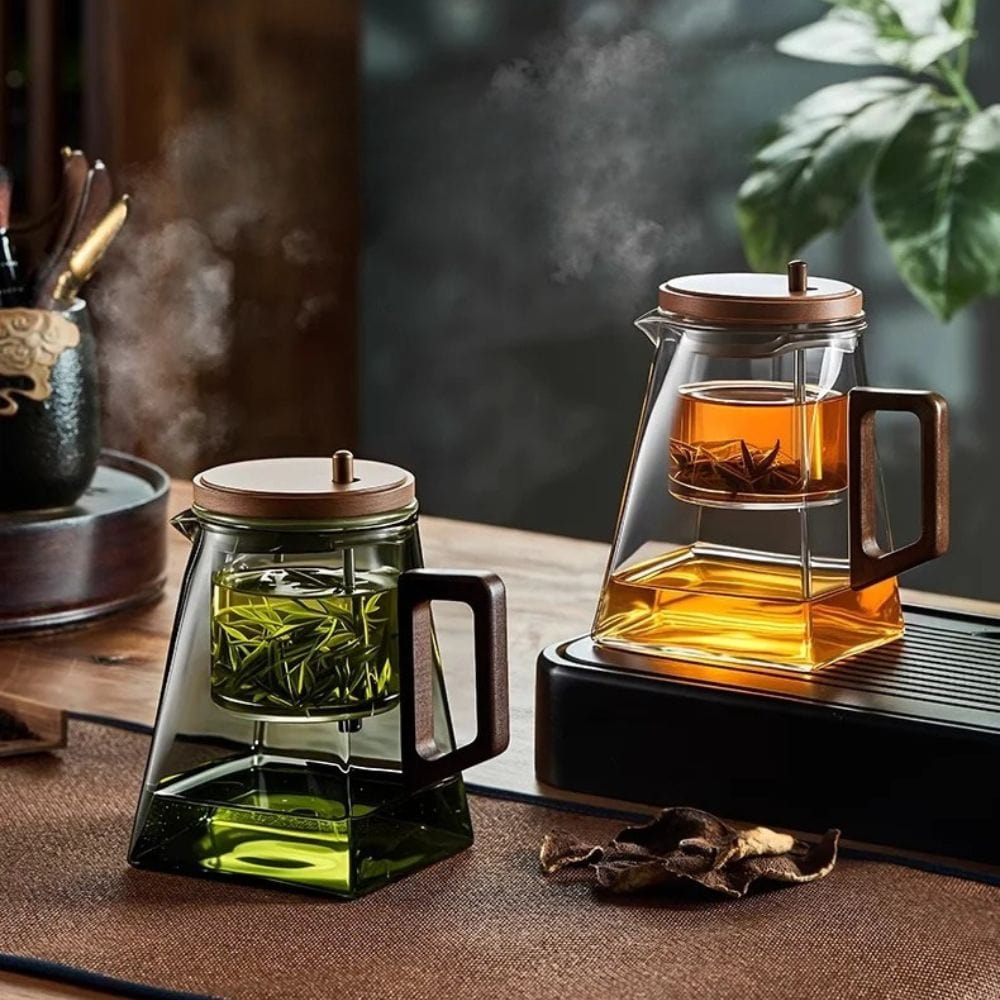
Perfect for traditional Hojicha 🍵
📖 Table of Contents
1. What is Hojicha?
Hojicha is a Japanese green tea that has undergone high-temperature roasting after its initial processing. This additional step radically transforms its appearance and taste.
🍂 The Definition of Hojicha
Hojicha (焙じ茶) literally means "roasted tea" in Japanese. "Hoji" (焙じ) = to roast, to grill. "Cha" (茶) = tea. It is therefore Japanese green tea (usually Sencha or Bancha) that has been roasted in a drum or porcelain pan at about 200°C.
📍 Origin: Kyoto, 1920
Hojicha was invented in Kyoto in 1920 by a tea merchant who sought to use lower-quality leaves and stems remaining after the production of premium teas. Roasting transformed these remnants into a delicious tea with a unique profile!
- Region of origin: Kyoto (Gion district)
- Invention: 1920s
- Initial purpose: To valorize tea by-products
- Popularity: Became a classic of Japanese cuisine
🔥 What Makes Hojicha Unique
- Color: Reddish-brown (vs green of other Japanese teas)
- Taste: Hazelnut, caramel, woody (vs vegetal, umami)
- Caffeine: Very low (7-15mg vs 20-45mg for Sencha)
- Astringency: Almost zero (roasting eliminates tannins)
- Digestion: Very gentle on the stomach
2. Production: The Art of Roasting
Hojicha starts as ordinary green tea, then undergoes a roasting process that transforms it:
🍃 Step 1: Production of Basic Green Tea
Hojicha is made from various Japanese green teas:
- Bancha: Late harvest, most common for Hojicha
- Sencha: For a finer Hojicha
- Kukicha: Tea stems (very smooth Hojicha)
- Karigane: Gyokuro stems (premium Hojicha)
🔥 Step 2: Roasting
This is the step that makes all the difference:
- Temperature: 150-200°C (depending on desired intensity)
- Duration: A few minutes (quick roasting)
- Utensil: Traditionally a porcelain pan (houroku), now often a rotating drum
- Result: Leaves brown and develop roasted aromas
💡 Maillard Reactions
Roasting triggers Maillard reactions, the same ones that give toasted bread its golden color and roasted coffee its aroma. These reactions create hundreds of new aromatic compounds: notes of hazelnut, caramel, chocolate...
🧪 What Roasting Changes
- Caffeine: Reduced by 50-70% (partial volatilization)
- Catechins: Reduced (transformed by heat)
- Tannins: Greatly reduced (less astringency)
- Chlorophyll: Destroyed (green color → brown)
- Aromas: Maillard compounds created (hazelnut, caramel)
- L-theanine: Partially preserved
3. Aromatic Profile
Hojicha offers a comforting and gourmet taste profile:
Hazelnut
Dominant note, roasted
Caramel
Natural sweetness
Woody
Oak, light smoky
Cocoa
Notes of roasted cocoa
Light Coffee
Without bitterness
👅 Detailed Tasting
- Nose: Intense roast, toasted hazelnut, warm bread, light smoke
- Attack: Smooth, round, no astringency
- Mid-palate: Caramel, chestnut, soft wood
- Finish: Short to medium, slightly sweet, persistent hazelnut
- Texture: Light, silky, very easy to drink
- Color: Luminous reddish-brown, amber
✨ A "Comfort Food" Tea
Hojicha is often described as a "comfort tea" or "cuddle tea". Its warm, roasted notes evoke autumn, log fires, and comforting snacks. It's the perfect tea to relax with in the evening or in cold weather.

-30% automatic discount by clicking below
6 pieces • Ideal for Japanese teas 🍵
4. Types and Varieties
There are several types of Hojicha depending on the raw material used:
🍃 Leaf Hojicha
The classic. Made from Bancha or Sencha leaves. Balanced taste, pronounced hazelnut notes.
🌿 Kuki Hojicha
Roasted stems. Made from Kukicha (stems). Softer, sweeter, even less caffeine.
🍵 Powdered Hojicha
Modern version. Like Matcha but roasted. Perfect for lattes and pastries.
✨ Karigane Hojicha
Premium. Made from Gyokuro stems. More complex, subtle umami notes.
| Type | Base | Caffeine | Profile | Price |
|---|---|---|---|---|
| Hojicha Bancha | Late harvest leaves | Very low | Full-bodied, robust | € |
| Hojicha Sencha | Sencha leaves | Low | Balanced, fine | €€ |
| Kuki Hojicha | Stems (Kukicha) | Very very low | Sweet, mild | € |
| Karigane Hojicha | Gyokuro stems | Low | Complex, umami | €€€ |
| Hojicha Powder | Ground Hojicha | Variable | Intense, versatile | €€ |
💡 To Start
Begin with a classic Bancha Hojicha to discover the typical roasted profile. If you like it, explore Kuki Hojicha (sweeter) or Karigane Hojicha (more complex).
5. Caffeine: Why So Little?
Hojicha is one of the lowest caffeine teas: caffeine:
☕ Caffeine per cup (200ml)
🔬 Why Hojicha Has So Little Caffeine
Several factors explain this low content:
- Roasting: High heat (200°C) partially volatilizes caffeine
- Raw material: Often made from Bancha (late harvest, less caffeine) or stems (Kukicha, naturally low in caffeine)
- Mature leaves: Older leaves contain less caffeine than buds
🌙 The Ideal Tea for Evening
With only 7-15mg of caffeine per cup, Hojicha is perfect for:
- Evening: Does not interfere with sleep
- Children: Very popular in Japan for children
- Sensitive individuals: An alternative to classic green tea
- Pregnant women: Safe option (consult your doctor)
- Seniors: Gentle on the stomach and not overly stimulating
6. Perfect Preparation
Hojicha is a very easy and forgiving tea to prepare:
🫖 Standard Method
- Dosage: 3-4g for 200ml (1 heaped tablespoon)
- Temperature: 90-100°C (boiling water OK!)
- Time: 30 seconds to 1 minute
- Infusions: 2-3 possible
- Utensil: Japanese Kyusu or a simple cup with an infuser
💡 Hojicha Forgives All
Unlike delicate green teas like Gyokuro or Sencha, Hojicha tolerates boiling water and long infusions very well. No risk of bitterness! It's the perfect tea for beginners.
🍵 Hojicha Latte (very trendy!)
Hojicha Latte has become very popular in cafes:
- Prepare concentrated Hojicha: 5g in 50ml boiling water, 1 min
- Heat 150ml of milk (cow, oat, almond...)
- Froth the milk if you have a frother
- Pour the milk over the concentrated tea
- Sweeten lightly if desired (maple syrup, honey)
Even simpler with powdered Hojicha: whisk directly into hot milk!
| Method | Dosage | Temperature | Time |
|---|---|---|---|
| Standard | 3g / 200ml | 90-100°C | 30s - 1min |
| Strong | 4g / 200ml | 100°C | 1-2 min |
| Latte | 5g / 50ml + milk | 100°C | 1 min |
| Cold brew | 6g / 500ml | Cold | 4-8h fridge |
7. Health Benefits
Although roasting reduces some antioxidants, Hojicha retains interesting benefits:
💚 Benefits of Hojicha
- Digestion: Very gentle on the stomach, aids after meals
- Relaxation: Preserved L-theanine + low caffeine = relaxation
- Antioxidants: Reduced but still present (remaining catechins)
- Hydration: Healthy alternative to sugary drinks
- Warming: Comforting roasted notes
- No astringency: Does not irritate the stomach
🧘 Perfect for Relaxation
Hojicha combines:
- Very little caffeine: No excessive stimulation
- L-theanine: Partially preserved relaxing amino acid
- Comforting aromas: Soothing psychological effect
It's the ideal tea for a moment of calm, a meditative break, or before sleep.
💡 In Japan
In Japan, Hojicha is traditionally served to children, the elderly, and the sick because it is extremely gentle on the digestive system and contains almost no caffeine. It is also the tea offered free of charge in many restaurants.

-30% automatic discount by clicking below
350ml • Elegant • Large capacity ✨
8. Culinary Uses
Hojicha has become a trendy ingredient in baking and cooking:
🍰 In Pastries
- Ice cream and sorbets: Hojicha ice cream (very popular in Japan)
- Creams: Hojicha crème brûlée, panna cotta
- Cakes: Chiffon cake, cheesecake, mochi
- Chocolates: Hojicha ganache, truffles
- Cookies: Shortbread, Hojicha cookies
Use powdered Hojicha to easily incorporate into your recipes.
☕ In Drinks
- Hojicha Latte: The classic (hot or iced)
- Smoothies: With banana, almond milk, honey
- Cocktails: Infused in Japanese whisky or rum
- Cold brew: Refreshing and mild in summer
- Affogato: Vanilla ice cream + hot Hojicha poured over it
💡 Perfect Sweet Pairing
The hazelnut and caramel notes of Hojicha pair wonderfully with milk chocolate, vanilla, salted caramel, nuts, and honey. It's a naturally "gourmet" tea!
9. Frequently Asked Questions
❓ Is Hojicha really green tea?
Yes! Hojicha is made from Japanese green tea (Bancha, Sencha...) which is then roasted. It is not oxidized like black tea, so it remains technically a green tea – but its roasting gives it a very different color and taste.
❓ Can Hojicha be drunk in the evening?
Absolutely! This is even its main use in Japan. With only 7-15mg of caffeine (vs 80-100mg for coffee), Hojicha can be drunk in the evening without disturbing sleep for most people. Ideal 1-2 hours before bedtime.
❓ Does Hojicha have fewer benefits than classic green tea?
Roasting reduces catechins (antioxidants), so Hojicha is less "healthy" than Sencha or Matcha in this regard. However, it retains other benefits: gentle digestion, relaxing L-theanine, hydration. It's a compromise: fewer antioxidants, but more mildness and less caffeine.
❓ What is the difference between Hojicha and Genmaicha?
Both are "roasted" Japanese teas, but different:
- Genmaicha: Green tea + roasted rice (the tea itself is not roasted)
- Hojicha: Green tea itself is roasted (no rice)
Hojicha has a more "coffee/hazelnut" taste, Genmaicha more "popcorn/cereal".
❓ How to store Hojicha?
Hojicha stores for less time than other green teas because the roasted compounds lose their flavor. Keep it in an airtight container, away from light, and consume it within 3-6 months after opening to enjoy its optimal aromas.
Conclusion: The Ultimate Comfort Tea
Hojicha is a unique tea that deserves to be discovered: its roasted notes of hazelnut and caramel, its natural sweetness, and its very low caffeine content make it the ideal companion for evenings, moments of relaxation, and gourmet snacks.
📝 Key Takeaways
- 🍂 Definition: Roasted Japanese green tea
- 🇯🇵 Origin: Kyoto, 1920s
- 🌰 Taste: Toasted hazelnut, caramel, wood, light coffee
- ☕ Caffeine: Very low (7-15mg) – ideal for evenings
- 🫖 Preparation: Easy, tolerates boiling water
- 🌙 Use: Evening, children, caffeine-sensitive individuals
- 🍰 Cuisine: Lattes, ice creams, pastries
Also discover our guides on Sencha, Genmaicha, Matcha, and Gyokuro.
Treat yourself to a moment of sweetness with Hojicha! 🍂🍵✨
🍂 Discover Our Accessories for Japanese Teas
Cups, teapots, sets... Everything to savor your Japanese teas!
-30% with code BLOG30 • Free shipping
