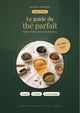

Chinese Tea Set: Complete Guide to Gongfu, Yixing and Gaiwan
Introduction: China, Cradle of Tea and the Art of Infusion
China is not just the country of origin for tea; it is also where the art of infusion was elevated to a ceremonial level. Long before tea reached Japan, Morocco, or England, Chinese tea masters were perfecting their techniques for millennia.
The Chinese tea set is much more than a collection of utensils: it's a complete system designed to extract the best from every leaf. The famous Gongfu Cha method (工夫茶, "tea prepared with care") represents the pinnacle of this art, with its miniature Yixing clay teapots, numerous accessories, and precise ritual.
In this guide, discover the secrets of the Chinese tea set, from the Yixing teapot to the Gaiwan, including the Gongfu method. If you're a beginner, first check out our guide on how to choose your teapot. 🇨🇳🍵

-30% automatically by clicking below
Teapot + cups + tray 🏮
📖 Summary
- 1. History of Tea in China
- 2. The Gongfu Cha Method: The Supreme Art
- 3. Utensils of the Chinese Service
- 4. The Yixing Teapot: The Connoisseur's Holy Grail
- 5. The Gaiwan: Versatility and Simplicity
- 6. The Great Families of Chinese Teas
- 7. How to Prepare Gongfu Tea
- 8. Tea and Utensil Pairings
- 9. Maintenance of the Chinese Service
- 10. Chinese Service vs. Other Traditions
- 11. Frequently Asked Questions
- Conclusion
1. History of Tea in China
According to legend, tea was discovered in 2737 BC by Emperor Shen Nung, when tea leaves accidentally fell into his hot water. Whether true or not, this legend illustrates the ancientness of tea culture in China.
📜 The Great Eras of Chinese Tea
Tang Dynasty (618-907): Tea becomes the national drink, Lu Yu writes the "Classic of Tea" (Cha Jing)
Song Dynasty (960-1279): Apex of whisked powdered tea (ancestor of Japanese matcha)
Ming Dynasty (1368-1644): Birth of whole-leaf infusion and Yixing teapots
Qing Dynasty (1644-1912): Perfection of Gongfu Cha in Fujian and Guangdong
💡 Did you know?
The word "tea" in most languages around the world derives from Chinese. Languages that use variants of "thé/tea/tee" come from the Min dialect (福建), while those that use "cha/chai" come from Mandarin/Cantonese. This reflects ancient maritime or land trade routes.
2. The Gongfu Cha Method: The Supreme Art
Gongfu Cha (工夫茶) literally means "tea prepared with skill/effort." It is an infusion method that maximizes the extraction of aromas through short, repeated infusions.
🎯 Principles of Gongfu Cha
1. Small teapot: 100-200ml maximum (vs 500ml+ in the West)
2. Lots of leaves: 5-8g per 100ml (vs 2-3g typically)
3. Short infusions: 10-30 seconds (vs 3-5 minutes)
4. Multiple infusions: 5 to 15 infusions of the same tea
5. Precise temperature: Adapted to the type of tea
🔄 Why Multiple Infusions?
Each infusion reveals a different facet of the tea:
- 1st-2nd infusion: Surface notes, light aromas
- 3rd-5th infusion: Heart of the tea, deep flavors
- 6th+ infusion: Final notes, sweetness, minerality
A good oolong or pu-erh can offer 10-15 distinct infusions, each with its own character. It's like reading a book chapter by chapter rather than in summary.
💡 Gongfu vs. Western Infusion
Western infusion (large teapot, few leaves, long infusion) extracts everything at once. Gongfu, on the other hand, proceeds in "successive layers," offering a richer and more nuanced experience. Both methods are valid, but Gongfu is ideal for quality teas.
3. Utensils of the Chinese Service
A complete Gongfu set includes many accessories, each with its precise function:
YIXING TEAPOT
Porous clay, small capacity
GAIWAN
Lidded bowl, versatile
GONGDAOBEI
Sharing pitcher (fairness cup)
CUPS
Small (30-50ml), no handle
CHA PAN
Draining tray for water
CHA HE
Presentation of dry leaves
CHA ZE
Bamboo tea spoon
CHA JIA
Tongs for handling cups
CHA JIN
Tea towel
STRAINER
Filters fine particles
🫗 The Gongdaobei: The Key Utensil
The Gongdaobei (公道杯, "cup of fairness") is an essential serving pitcher. After infusion, all the tea is poured into it before being distributed into the cups. This ensures that each guest receives tea of equal concentration (hence its name).
Without it, the first cup would be lighter than the last, as the tea continues to infuse during serving.
4. The Yixing Teapot: The Connoisseur's Holy Grail
Yixing teapots (宜興), from the city of Jiangsu, are considered the most precious in the world for tea infusion. Made since the 15th century, they are crafted from "Zisha" clay (紫砂, "purple sand").
🏺 What Makes Yixing Unique
Natural porosity: Zisha clay absorbs tea oils over time
Tea memory: The teapot "remembers" and enhances each brew
Thermal regulation: Maintains heat without burning the tea
Unglazed: Direct clay-tea contact, pure taste
Craftsmanship: Each piece is handcrafted by a master
🎨 Types of Yixing Clay
- Zini (紫泥): Purple clay, the most common, versatile
- Hongni (紅泥): Red clay, denser, ideal for light oolongs
- Duanni (段泥): Yellow/beige clay, very porous, perfect for green teas
- Zhuni (朱泥): Bright red clay, rare and precious, for roasted oolongs
⚠️ Golden Rule: One Teapot = One Type of Tea
Because Yixing clay is porous, it absorbs aromas. A teapot used for pu-erh will take on its earthy character. If you then brew a delicate green tea in it, it will be "contaminated". Dedicate each Yixing to a specific tea family.
💰 Price of Yixing Teapots
- Entry-level (factory): 30-80€ - Semi-industrial production
- Standard artisan: 80-200€ - Handmade, good quality
- Renowned artisan: 200-1000€ - Authentic clay, expertise
- Master artisan: 1000-10 000€+ - Works of art, collectible
Beware of counterfeits! The market is flooded with fake Yixing teapots made of ordinary dyed clay. Buy from reputable sellers.

-30% automatic by clicking below
Natural Stoneware • Gongfu 🏺
5. The Gaiwan: Versatility and Simplicity
The Gaiwan (蓋碗, "lidded bowl") is the versatile alternative to the Yixing teapot. Composed of three pieces (saucer, bowl, lid), it allows you to brew any tea without flavor contamination.
🥣 Gaiwan Advantages
- Versatile: Suitable for all teas (unlike Yixing)
- Neutral: Porcelain does not absorb aromas
- Visual: Allows you to observe the leaves unfurling
- Affordable: Less expensive than a good Yixing
- Easy to clean: Smooth porcelain, no porosity
- Control: Perfect control over brewing time
🎯 How to Use a Gaiwan
- Hold: Thumb and middle finger on the rims, index finger on the lid
- Pour: Tilt slightly, the lid holds back the leaves
- Technique: Create a small gap between the lid and the bowl
- Caution: It's hot! Practice is needed
The Gaiwan requires a little practice but offers unparalleled control over the infusion.
💡 Gaiwan or Yixing: Which to Choose?
Choose the Gaiwan if: You are a beginner, you drink several types of tea, you want to observe the leaves.
Choose Yixing if: You are passionate about a specific type of tea (pu-erh, roasted oolong), you are looking for absolute excellence.
6. The Great Families of Chinese Teas
China produces the six families of tea, classified by their oxidation level:
GREEN TEA (绿茶)
Longjing, Biluochun
Unoxidized • 70-80°C
WHITE TEA (白茶)
Bai Hao Yin Zhen
Very lightly oxidized • 75-85°C
YELLOW TEA (黄茶)
Jun Shan Yin Zhen
Lightly oxidized • 70-80°C
OOLONG (乌龙)
Tie Guan Yin, Da Hong Pao
Semi-oxidized • 85-95°C
RED TEA (红茶)
Keemun, Dianhong
Fully oxidized • 90-95°C
PU-ERH (普洱)
Sheng, Shou
Post-fermented • 95-100°C
💡 "Red Tea" ≠ Rooibos
In China, what we call "black tea" in the West is called "red tea" (红茶), referring to the color of the infusion. Chinese "black tea" refers to pu-erh! This terminological difference is a frequent source of confusion.
Major Production Regions
🏔️ FUJIAN
Oolongs, white teas, red teas
🌿 YUNNAN
Pu-erh, Dianhong
🍃 ZHEJIANG
Longjing (Dragon Well)
🏺 JIANGSU
Biluochun, Yixing teapots
⛰️ GUANGDONG
Phoenix Dancong
🌄 ANHUI
Keemun, Huangshan Maofeng
7. How to Prepare Gongfu Tea
Here is the step-by-step Gongfu method. For detailed temperatures, consult our dedicated guide.
Preparation in 8 Steps
Preheat
Rinse teapot and cups with hot water
Present
Show leaves in the cha he (appreciate aroma)
Dose
5-8g of tea per 100ml (a lot!)
Rinse
1st water poured and discarded (wakes up leaves)
Infuse
10-20 sec (1st), +5 sec for each subsequent infusion
Decant
Pour into the gongdaobei (fairness)
Serve
Distribute into small cups
Repeat
5 to 15 infusions depending on the tea
⏱️ Gongfu Infusion Times
- 1st infusion: 10-15 seconds
- 2nd-3rd: 15-20 seconds
- 4th-6th: 20-30 seconds
- 7th+: 30-60 seconds (gradually increase)
These times are indicative. Adjust according to your taste and the tea's quality.
💡 Rinsing: Mandatory?
Rinsing (discarding the first water) serves to "awaken" compressed or rolled leaves. It is essential for pu-erh (also removes storage dust). For delicate green teas, some prefer to skip it to avoid losing the first notes.
8. Tea and Utensil Pairings
| Tea Type | Ideal Utensil | Temperature | Infusions |
|---|---|---|---|
| 🍃 Chinese green tea | Porcelain Gaiwan or glass | 70-80°C | 3-5 |
| 🤍 White tea | Porcelain Gaiwan | 75-85°C | 4-6 |
| 🟠 Light oolong | Gaiwan or Yixing Hongni | 85-90°C | 6-10 |
| 🟠 Roasted oolong | Yixing Zini or Zhuni | 90-95°C | 8-12 |
| 🔴 Red tea (black) | Gaiwan or cast iron | 90-95°C | 4-6 |
| ⬛ Pu-erh Sheng | Dedicated Yixing Zini | 90-95°C | 10-15+ |
| ⬛ Pu-erh Shou | Dedicated Yixing Zini | 95-100°C | 10-15+ |
🎯 Recommendation for Beginners
Start with a white porcelain Gaiwan (100-150ml). It's suitable for all teas, allows you to observe the leaves, and costs 15-30€. Once you know which tea you prefer, invest in a dedicated Yixing.
-30% automatic by clicking below
Gongfu • Gaiwan • Complete 🎁
9. Chinese Tea Set Maintenance
Maintenance varies depending on the material. Also consult our complete guide on teapot maintenance.
🏺 Yixing Teapot Maintenance
- NEVER use soap: The porous clay will absorb it permanently
- Rinse: Hot water only, after each use
- Drying: Leave to dry with lid open
- Seasoning: The inner patina is precious, do not scrub
- Storage: Aerated, never in a sealed plastic bag
🥣 Porcelain Gaiwan Maintenance
- Mild soap: Allowed (porcelain is not porous)
- Soft sponge: Avoid abrasives on decorations
- Rinsing: Thorough to remove soap
- Tea stains: Baking soda + hot water
💡 "Nourishing" your Yixing
Yixing enthusiasts "nourish" their teapots by pouring tea over the exterior during brewing. Over time, the teapot develops a shiny patina called "baojang" (包浆). This is a sign of prestige and diligent use.
10. Chinese Tea Service vs. Other Traditions
| Aspect | 🇨🇳 Chinese (Gongfu) | 🇯🇵 Japanese | 🇲🇦 Moroccan |
|---|---|---|---|
| Philosophy | Technique, exploration | Zen, meditation | Hospitality, sharing |
| Teapot | Small (100-200ml), Yixing | Kyusu ceramic | Berrad metal (1L+) |
| Cups | Tiny (30-50ml) | Small (100ml) | Decorated glasses (100ml) |
| Infusions | 5-15 short | 2-3 short | 1 long |
| Sugar | Never | Never | A lot |
| Main tea | Oolong, pu-erh | Sencha, gyokuro | Gunpowder + mint |
🎯 Which Tradition for You?
• You like to explore nuances: Chinese Gongfu service
• You are looking for Zen simplicity: Japanese service
• You like sweet and convivial tea: Moroccan service
• You want versatility: Glazed ceramic or glass
11. Frequently Asked Questions
❓ Do you need a real Yixing to make Gongfu?
No. A simple porcelain Gaiwan is perfectly sufficient and better suited for beginners. Yixing is a luxury that enhances certain teas, but is not essential for practicing Gongfu.
❓ Why are the cups so small?
Small cups (30-50ml) allow you to savor each infusion before it cools down. With 10-15 infusions, you drink as much as with a large Western cup, but appreciating each nuance.
❓ How to recognize a real Yixing?
Signs of authenticity: Fine-grained clay, natural color (no garish tint), clear sound when tapping the lid, realistic price (minimum 50€+ for handmade), ideally a potter's certificate. Beware of excessively low prices.
❓ Can a Chinese tea set be used for Japanese green tea?
Yes, with a Gaiwan. Avoid Yixing, which should be dedicated to another tea. For Japanese green tea specifically, the Japanese teapot (kyusu) remains ideal thanks to its integrated filter suitable for fine leaves.
❓ How to store Chinese teas?
In airtight containers, away from light and odors. Pu-erh is an exception: it needs to "breathe" slightly to age. Consult our guide on tea storage.
Conclusion: The Art of Chinese Tea
The Chinese tea set represents the culmination of millennia of tea culture. Whether you choose the Gongfu path with its miniature teapots and multiple infusions, or the versatile simplicity of the Gaiwan, you will discover a new dimension of tasting.
📝 Summary: Where to Start?
- Absolute beginner: Porcelain Gaiwan 100-150ml + light oolong tea
- Curious enthusiast: Complete Gongfu set (teapot + cups + tray)
- Pu-erh lover: Dedicated Yixing Zini + pu-erh cakes
- Collector: Several Yixing, one for each tea family
Gongfu Cha is not just a technique: it is an active meditation, a moment of mindfulness where every gesture counts. Take the time to learn, experiment, and let the tea reveal its secrets, infusion after infusion.
To complete your experience, master infusion temperatures, maintenance of your utensils, and storage of your teas.
Explore our collection of teapots, our cups, our complete tea sets, and our tea boxes.
品茶 (Pǐn chá) — Savor the tea! 🇨🇳🍵
🇨🇳 Discover the Art of Chinese Tea
Gongfu sets, Yixing style teapots, complete accessories.
-30% with code BLOG30 • Free shipping