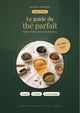

Herbal Tea: Complete Guide to Medicinal Plants
Introduction: The Gentle Medicine of Plants
Herbal tea is one of humanity's oldest remedies. Long before modern medicine, our ancestors treated themselves with infused plants. Today, this millennial tradition remains more vibrant than ever.
Chamomile for sleep, mint for digestion, linden for stress... Each herbal tea has its virtues. Discover this complete guide to understanding, choosing, and preparing your herbal teas. 🌿✨

-30% automatic by clicking below
300ml • Removable filter • Ideal for herbal teas 🌿
📖 Summary
1. What is Herbal Tea?
An herbal tea is a beverage prepared from plants (other than the tea plant) steeped in hot or boiling water.
🌿 Official Definition
The term tisane comes from the Greek ptisanê (hulled barley). Today, it refers to any drink obtained by aqueous extraction of plant material (leaves, flowers, roots, bark, fruits) other than tea. Herbal tea is naturally caffeine-free.
🚫 Caffeine-Free
No theine, ideal for evenings and children.
💊 Therapeutic Virtues
Each plant has its medicinal properties.
💧 Hydration
Healthy alternative to sugary drinks.
🌱 100% Natural
Pure plants, no additives or preservatives.
💡 Tisane vs Infusion
In common language, tisane and infusion are synonymous. Technically, infusion is a preparation method (pouring hot water), while tisane refers to the caffeine-free plant-based drink. See our complete guide to infusions.
2. Types of Preparation
Three methods exist for preparing herbal tea:
☕ Infusion (most common)
Method: Pour hot water (90-100°C) over the plants and let steep.
- For: Leaves, flowers, tender parts
- Duration: 5-10 minutes
- Advantage: Preserves fragile active ingredients
Example: Chamomile, mint, verbena, linden.
🔥 Decoction
Method: Boil the plants in water for several minutes.
- For: Roots, barks, seeds, hard parts
- Duration: 10-20 minutes of boiling
- Advantage: Maximum extraction of active ingredients
Example: Ginger, licorice, burdock, cinnamon.
❄️ Maceration (cold)
Method: Soak the plants in cold water for several hours.
- For: Plants with heat-sensitive active ingredients
- Duration: 4-12 hours
- Advantage: Preserves thermosensitive compounds
Example: Marshmallow, mallow (mucilages).
| Method | Plant parts | Temperature | Duration |
|---|---|---|---|
| Infusion | Leaves, flowers | 90-100°C | 5-10 min |
| Decoction | Roots, barks | 100°C (boiling) | 10-20 min |
| Maceration | Fragile plants | Cold water | 4-12 hours |
3. Herbal Teas by Benefits
Choose your herbal tea according to your needs:
Sleep
Chamomile, linden, valerian, passionflower
Digestion
Mint, fennel, ginger, anise
Relaxation
Vervain, lemon balm, lavender, hawthorn
Immunity
Thyme, echinacea, elderberry, hibiscus
Energy
Ginger, rosemary, ginseng
Beauty
Nettle, burdock, wild pansy
😴 Herbal Teas for Sleep
The allies of your nights:
- Chamomile: Soothing, best known for falling asleep
- Linden: Calms the nervous system, anxiety
- Passionflower: Powerful against insomnia, nervousness
- Valerian: Natural sedative (strong taste)
- Vervain: Relaxing, facilitates falling asleep
- Orange blossom: Sweet and soothing
When: 30 minutes to 1 hour before bedtime.
🍽️ Digestive Herbal Teas
For intestinal comfort:
- Peppermint: Bloating, nausea, cramps
- Fennel: Flatulence, infant colic
- Green anise: Spasms, difficult digestion
- Ginger: Nausea, slow digestion
- Licorice: Acidity, heartburn
- Lemon balm: Nervous digestive disorders
When: After meals, 1-2 cups.
🧘 Anti-Stress Herbal Teas
To regain serenity:
- Vervain: Nervous relaxation, slightly sedative
- Lemon balm: Anxiety, agitation, stress
- Hawthorn: Palpitations, emotionality
- Lavender: Calming, tension headaches
- Rhodiola: Adaptogen, stress resistance
When: 2-3 cups a day during periods of stress.
🛡️ Herbal Teas for Immunity
Strengthen your defenses:
- Thyme: Antiseptic, respiratory tract
- Echinacea: Immune stimulant
- Elderberry: Colds, flu, fever
- Hibiscus: Very rich in vitamin C
- Rosehip: Vitamin C champion
When: For prevention from autumn, as a course of treatment.

-30% automatic by clicking below
6 pieces • Teapot + cups + box • Perfect for herbal teas 🍃
4. Essential Plants
The stars of phytotherapy:
🌼 Chamomile
- Part used: Flowers
- Taste: Sweet, slightly sugary, green apple
- Benefits: Sleep, digestion, anti-inflammatory
- Infusion: 5-10 min, 90°C
The most well-known for bedtime and everyday ailments.
🌿 Peppermint
- Part used: Leaves
- Taste: Fresh, mentholated, lively
- Benefits: Digestion, breath, concentration
- Infusion: 5-8 min, 90°C
Essential after meals. See our complete guide to mint tea.
🍃 Verbena
- Part used: Leaves
- Taste: Citrusy, fresh, delicate
- Benefits: Relaxation, digestion, stress
- Infusion: 5-10 min, 90°C
The elegant French classic, perfect after dinner.
🌳 Linden
- Part used: Flowers and bracts
- Taste: Sweet, honeyed, soothing
- Benefits: Anxiety, insomnia, nervousness
- Infusion: 8-10 min, 95°C
The great classic for winter evenings.
🫚 Ginger
- Part used: Rhizome (root)
- Taste: Pungent, spicy, warming
- Benefits: Digestion, nausea, immunity, energy
- Preparation: Decoction 10-15 min, 100°C
The natural tonic, perfect in winter with lemon and honey.
🌺 Hibiscus
- Part used: Flowers (calyces)
- Taste: Tart, fruity, refreshing
- Benefits: Vitamin C, antioxidants, blood pressure
- Infusion: 5-10 min, 95°C
African bissap, delicious hot or iced.
5. How to Prepare a Perfect Herbal Tea
The steps for a successful herbal tea:
📋 The Ideal Protocol
- Choose quality plants (organic if possible)
- Measure: 1 to 2 teaspoons per cup (250ml)
- Heat water to the correct temperature (see table)
- Pour water over the plants
- Cover to retain essential oils
- Wait the recommended infusion time
- Filter and enjoy (sweeten with honey if desired)
| Plant | Dosage/cup | Temperature | Time |
|---|---|---|---|
| Chamomile | 1-2 tsp | 90°C | 5-10 min |
| Mint | 1-2 tsp | 90°C | 5-8 min |
| Verbena | 1-2 tsp | 90°C | 5-10 min |
| Linden | 1 tbsp | 95°C | 8-10 min |
| Ginger | 3-4 slices | 100°C | 10-15 min |
| Hibiscus | 1-2 tsp | 95°C | 5-10 min |
💡 Pro Tip: Always Cover!
Place a lid or saucer over your cup during infusion. Essential oils are volatile: without a lid, they evaporate with the steam, and you lose some of the benefits and aromas.
💡 Loose Leaf vs. Tea Bags
Loose leaf plants are generally of better quality (whole leaves, fresher) than industrial tea bags (crushed plants). Invest in a good infuser.
6. Tips and Precautions
Herbal teas have real effects. A few rules:
⚠️ Important Precautions
Some plants are not recommended during pregnancy (sage, strong peppermint, liquorice...), breastfeeding, or when taking medications. If in doubt, consult a healthcare professional or herbalist.
✅ Good Practices
- Quality: Prioritize organic and traceable plants
- Freshness: Consume within one year of purchase
- Storage: Away from light and humidity
- Dosage: 2-4 cups/day for common plants
- Variety: Alternate plants, don't always consume the same one
🚫 To Avoid
- Excess: Even natural, plants have effects
- Prolonged self-medication: Consult if symptoms persist
- Unknown plants: Don't pick just anything
- Tap water: Chlorine alters the aromas

-30% automatic by clicking below
350ml • Elegant glass • Large capacity ✨
7. Frequently Asked Questions
❓ Can you drink herbal teas all day?
Yes, in moderation. 3-4 cups a day of common herbal teas (chamomile, verbena, mint) are generally safe. For more active plants, respect the recommended doses.
❓ Are herbal teas really effective?
Yes, they have real effects. Phytotherapy is a traditional medicine scientifically validated for many indications. The effects are gentler than medication but real and progressive.
❓ Can children be given herbal teas?
Yes, some of them. Chamomile and fennel are traditionally used for babies (colic). Avoid strong peppermint before age 6. Consult a pediatrician for young children.
❓ How to store herbal teas?
In an airtight tin, away from light, humidity, and strong odors. Well-preserved, plants retain their properties for 12 to 24 months.
❓ Can several plants be mixed?
Absolutely! Blends allow you to combine benefits. Start with 2-3 plants with complementary properties. Examples: chamomile + lemon balm (sleep), mint + fennel (digestion).
Conclusion: The Natural Pharmacy
Herbal tea is much more than a drink: it's an ancestral connection with the plant world, a gentle medicine accessible to all, and a beneficial moment of pause in our hectic lives.
📝 What to Remember
- 🌿 Definition: Caffeine-free plant drink
- ☕ 3 methods: Infusion, decoction, maceration
- 😴 Sleep: Chamomile, linden, passionflower, verbena
- 🍽️ Digestion: Mint, fennel, ginger, anise
- 🧘 Stress: Verbena, lemon balm, lavender, hawthorn
- ⏱️ Infusion: 5-10 min, covered, 90-95°C
Also discover our guides on infusions, rooibos, green tea and tea storage.
An herbal tea is nature taking care of you. 🌿✨
🌿 Discover Our Herbal Tea Accessories
Teapots, cups, infusers... Everything to enjoy your herbal teas!
-30% with code BLOG30 • Free shipping